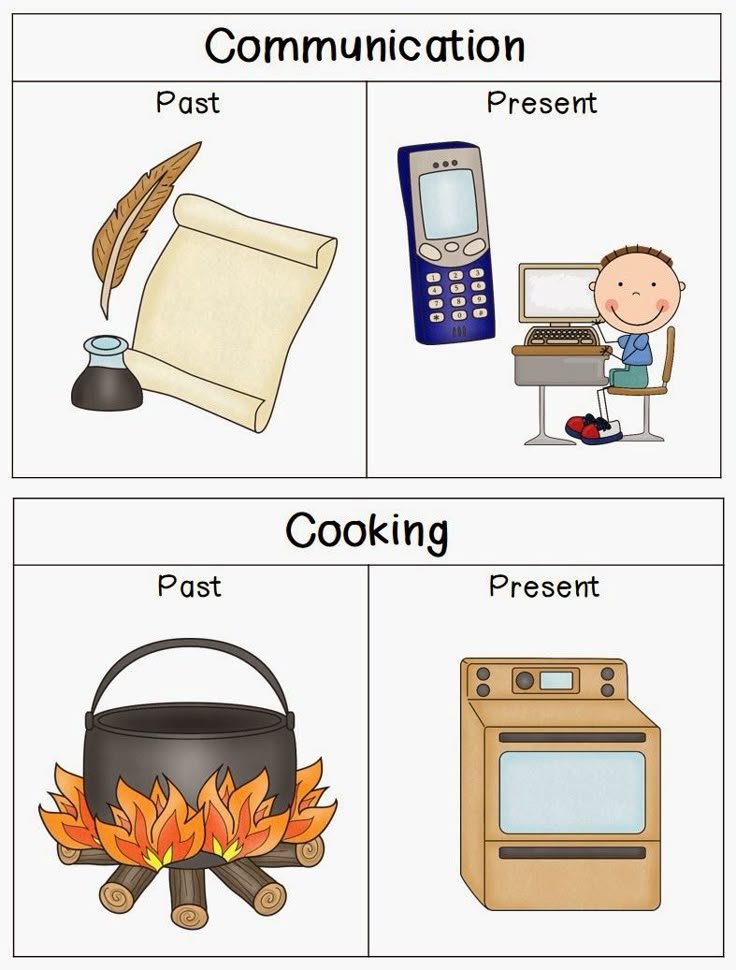
Throughout history, the way we live — and how we live — has constantly changed. We often go with the flow and accept these changes without even realizing it. We easily recognize change when it comes to technological advancements; as humans, we’re always looking for a better way to do things. Where we struggle, however, is in understanding cultural change. Learning about history helps us understand the past, but do we reflect on these changes — especially when reading something like the Bible, which was written so long ago?
When reading something as ancient as the Bible, it must be read in the context in which it was written. We can’t fully understand a story or passage — for example, one that talks about a wedding — unless we understand what a wedding meant back then and the traditions surrounding it.
A wedding ceremony in biblical times was very different from what we know today, especially within a Jewish family. This was a total eye-opener for me, and it gave those passages in the Bible so much more meaning once I realized how they related to weddings in that time period.
For example, a Jewish wedding during the time of Jesus involved a two-part process: a legally binding betrothal, followed by a wedding ceremony and a celebratory feast that could last up to seven days.
1. The Betrothal
This stage was usually arranged by the parents or families, not the individuals. The betrothal created a legal and binding union; if it was to be broken off, a divorce was required. The groom’s family paid a dowry (or bride price) to the bride’s father. After the betrothal, there was a waiting period — usually about a year — during which the couple lived separately and prepared for their new household.
2. The Wedding and Feast
When everything was ready, the groom and his companions would go to the bride’s home (there wasn’t a set date) with lamps to escort her to his house. The procession was a joyous community event, filled with music, singing, and celebration. The festivities at the groom’s home could last for several days — often five to seven — and included feasting, dancing, and joy. The marriage was consummated at the end of the feast in a special chamber. In some cases, a blood-stained cloth was shown to the bride’s parents as proof of her virginity.
Keeping all of this in mind, we can see how the Bible often uses the imagery of a wedding to reveal deeper spiritual meaning. The “church” is often referred to as the bride of Christ — God’s people. The betrothal was arranged by God the Father, and the dowry was paid by the Messiah’s life. We now eagerly await the time when He will return to complete the marriage of the Church (the bride) to Yehoshua (the groom). He is even now preparing our new household, just as He says in John 14:2–3:
“In My Father’s house are many mansions; if it were not so, I would have told you.
I go to prepare a place for you.
And if I go and prepare a place for you, I will come again and receive you to Myself;
that where I am, there you may be also.”
There are many other passages where Yehoshua relates His parables to weddings. I could use other examples, but I think you get my point — understanding the Bible truly comes from understanding history. We must put ourselves back in time to grasp what was meant. Trying to compare the Bible directly to today’s culture can cause us to lose the true meaning behind what is being said.
Another important point is that when we read about what happened during Yehoshua’s time on earth — the New Testament period — the only scriptures being referenced were from what we call the Old Testament. What we know as the New Testament didn’t exist during His lifetime. This is something many people misunderstand; they think the New Testament was already around when Yehoshua walked the earth. To understand the Bible as it’s meant to be understood, we must read it with this context in mind.
Also, there were not thousands of copies of the Old Testament available for everyone to read. People went to the synagogue on the Sabbath to hear the Scriptures taught. Only the spiritual leaders of the time — or the very wealthy — had direct access to the scrolls. Literacy was not widespread. This is another reason why knowing history brings so much clarity to understanding Scripture… but I’ll save that for another blog.
For now, never stop studying your Bible and exploring the history that surrounds it. Truth comes from knowing the whole story — not just part of it.
If you’d like to learn more, there’s a great booklet called How to Understand the Bible.
I pray your journey is an inspiring one, and that all your questions are answered.
 Answered Scripture
Leave a comment